




Your model is the context your AI needs
Data Modeling that Grows with your Team
From schema to semantic layer in one platform, built for your team and the AI that depends on it.








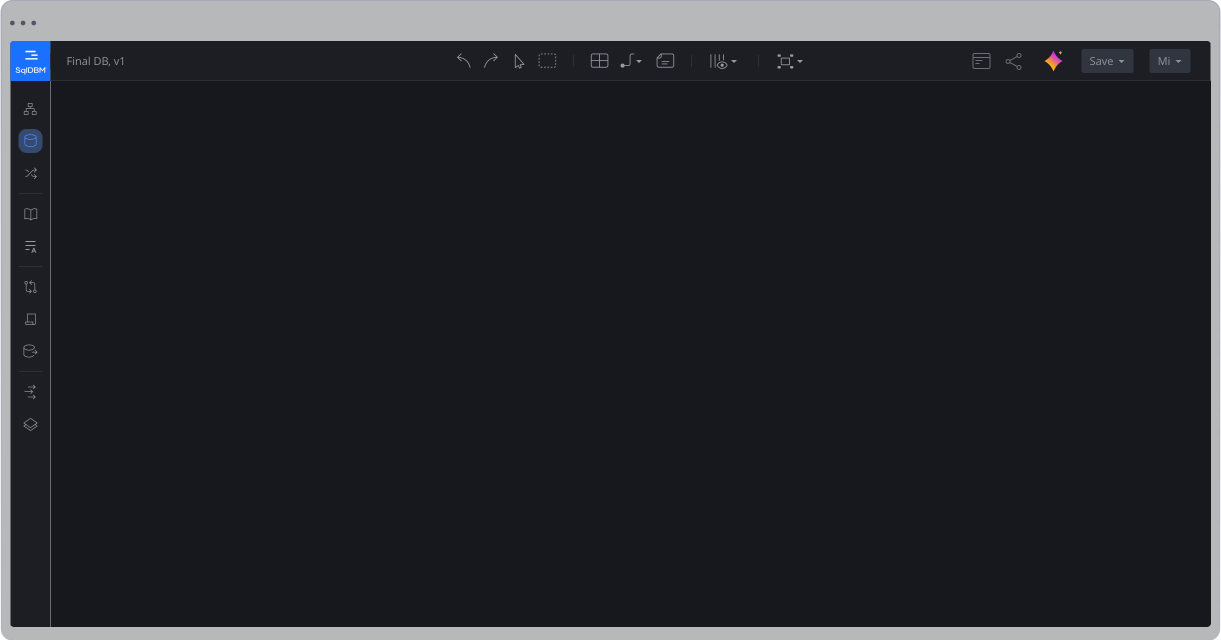
Two layers, One platform
Your data team builds it. Your whole org trusts it.
Start with enterprise data modeling. Add a governed semantic layer when your people and your AI agents need to know exactly what your data means.
From the first schema to the last AI query.
Modeling Platform
The modern cloud-based data modeling platform for collaborative enterprise teams.
Your team designs and ships the model.
- Conceptual, logical, and physical modeling
- Reverse and forward engineering with version control
- Real-time collaboration for the modeling team
- Native dbt, Git, and API integrations
Context Layer for AI
The single source of truth for your metadata, so your people and your AI know exactly what your data means.
Your people and your AI read one governed source of truth.
- Semantic modeling and governed metric definitions
- AI Copilot, bring your own model
- MCP access for your AI agents
- Org-wide access for every team and consumer
A model is only as valuable as the definitions around it.
Book a demoData challenges
Data is built everywhere, but defined nowhere
Modern data stacks have made it easy to move fast. But they haven’t made it easy to stay aligned. Data is created across pipelines, dbt models, BI tools, and teams, each with its own logic and definitions.

Common data challenges

AI inherits bad data

Relationships become harder to trace

The same metric is defined multiple ways

Logic is recreated across systems
With SqlDBM
Create one source of truth for data
Visualize relationships and lineage in one place
Define metrics and structures in one shared model
Provide a shared, governed foundation

One platform across your entire data architecture
SqlDBM connects every stage of your data architecture to deliver measurable outcomes from concept to production.
01
Accelerate Time to Value

Reduce project cycles from 9 months to 2 months and cut model design time by 60%.
02
Reduce Risk & Compliance Costs

Prevent downstream breakage and avoid $100K-$200K per incident with automated governance.
03
Increase Team Productivity

Save 1,050+ hours annually by automating documentation, reverse engineering, and impact analysis.
04
Enable AI-Ready Data

Build structured, governed models that prevent the 80% AI project failure rate caused by poor data foundations.
Intelligent Modeling, From Start to Finish
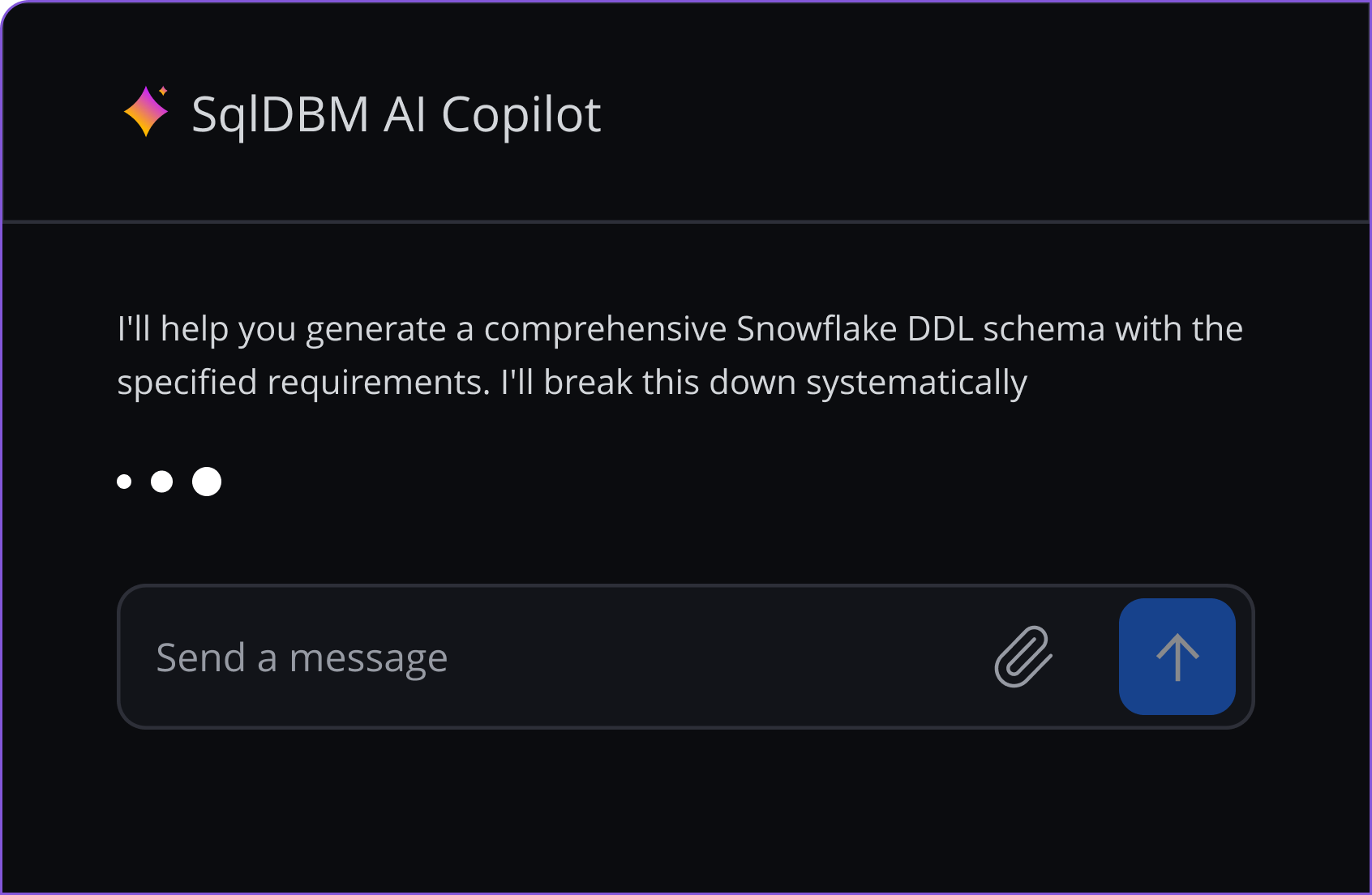
AI Copilot
AI built into every stage
Not a bolt-on. SqlDBM’s AI Copilot assists throughout the entire workflow.
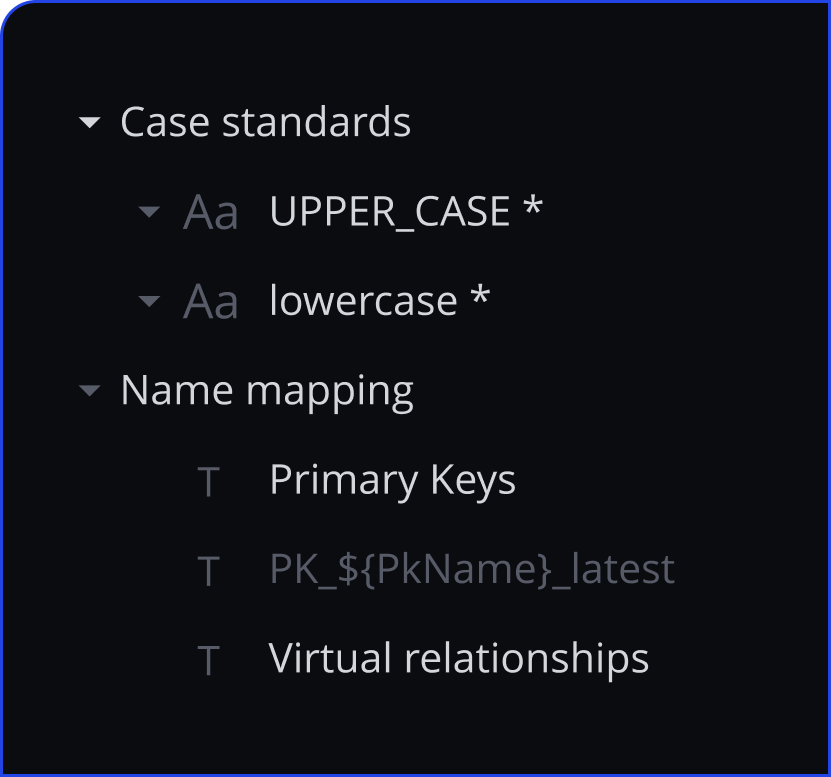
Global Standards
Enforce naming conventions, data types, and modeling patterns across every team and project.
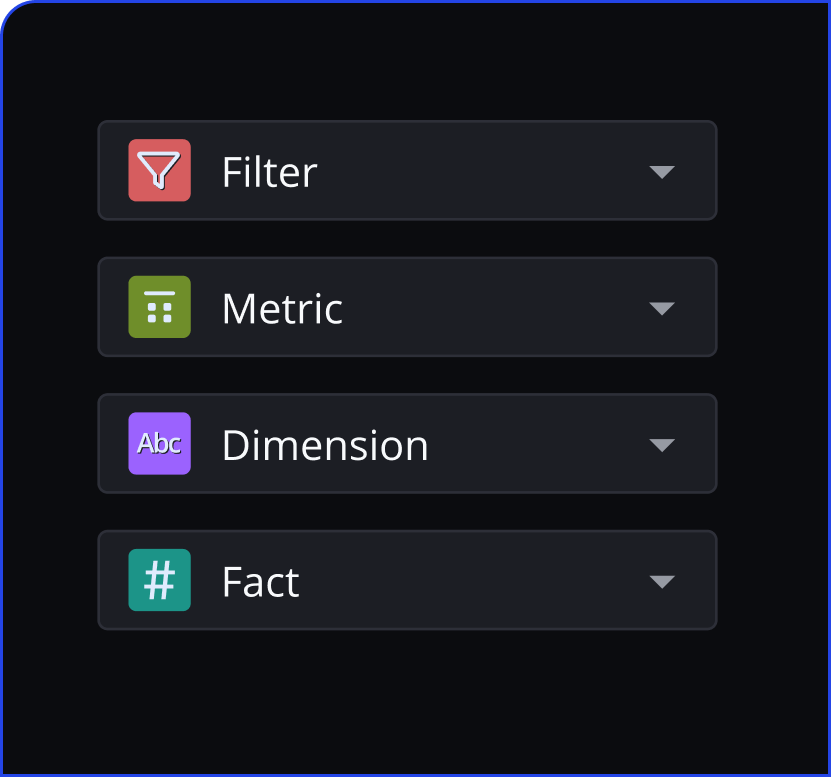
Semantic Modeling
Build AI-ready data products with semantic views that give business context to your data models.
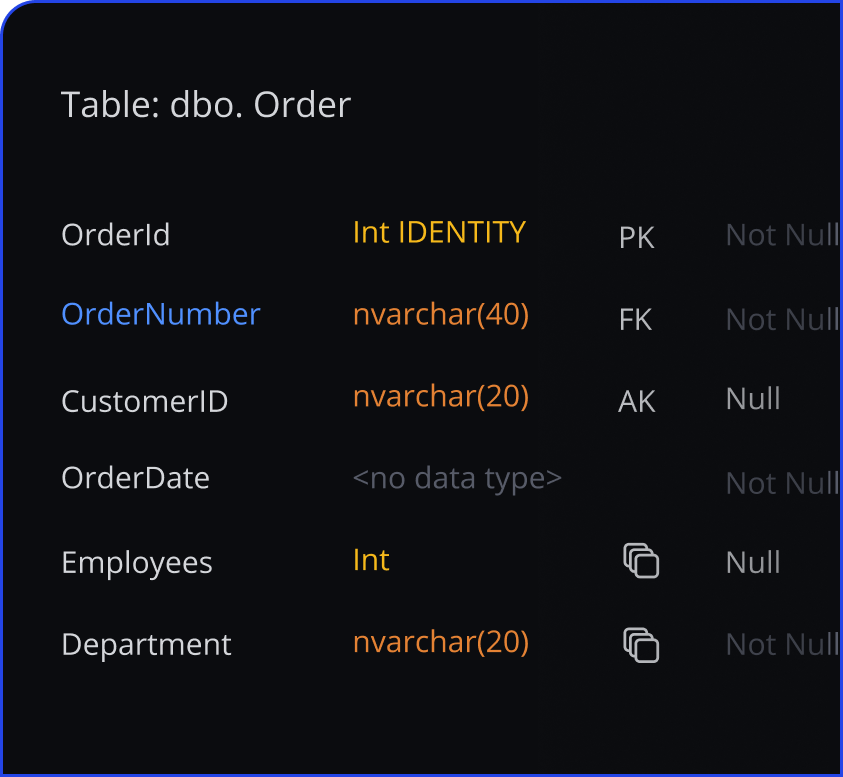
Model Governance
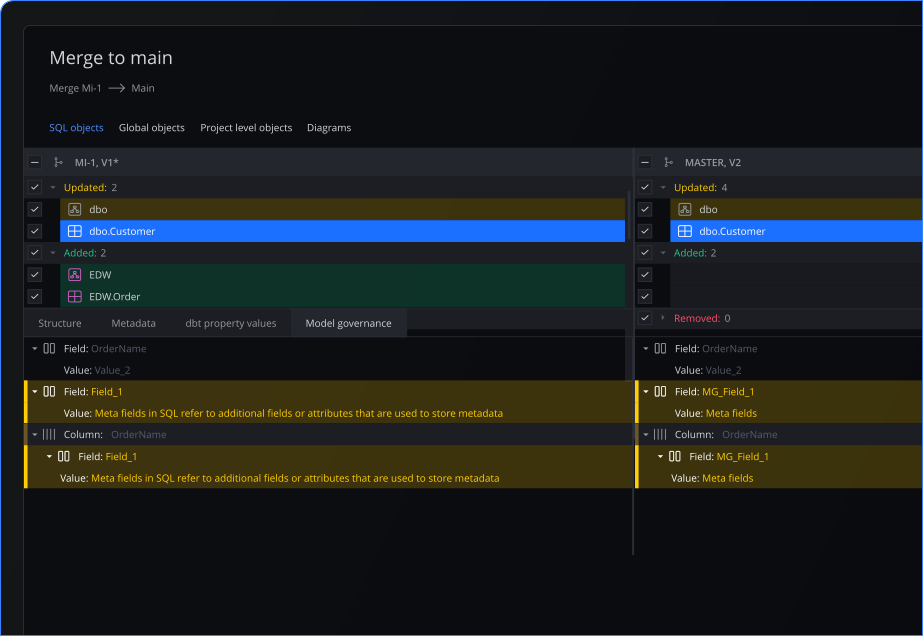
Track changes, control access, and maintain compliance with built-in version control and approval workflows.
Trusted by teams managing complex data environments



Healthcare
We’re optimizing and modeling new datasets every day — making data available for AI and machine learning use cases that directly improve patients.
Jamie Field, Senior Manager, Data Platform and Engineering

Professional services
SqlDBM cuts our modeling time by twenty-five percent by saving us much of the manual and repetitive labor.
Midhun Paul, PwC


Health & fitness
One of the most common questions my team gets asked is “where does this column come from?” With SqlDBM’s view lineage feature, I can easily answer that.
Craig Pepper, Data Platform Manager
Everything you need to keep data aligned

Model
Visual data modeling
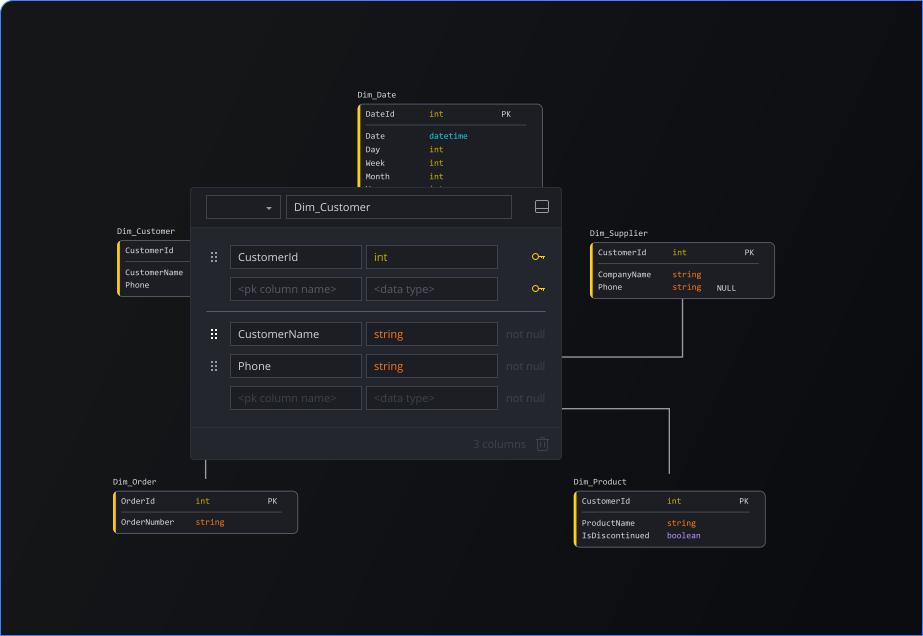
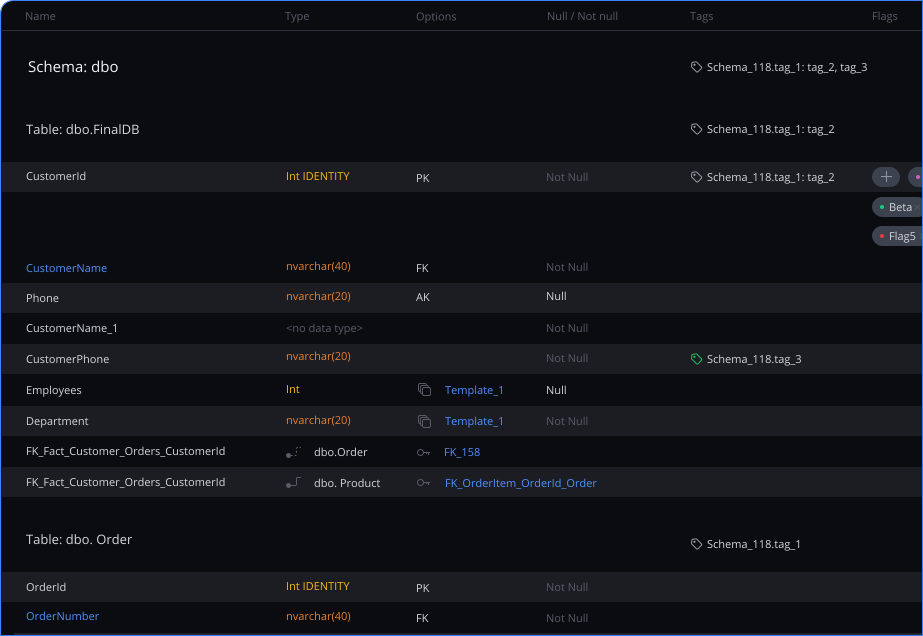
Design schemas, define relationships, and structure data in a collaborative, visual environment before implementation across systems.
Model-to-database synchronization
Compare models to live environments and push changes with confidence, keeping design and production aligned.

Understand
Column-level lineage
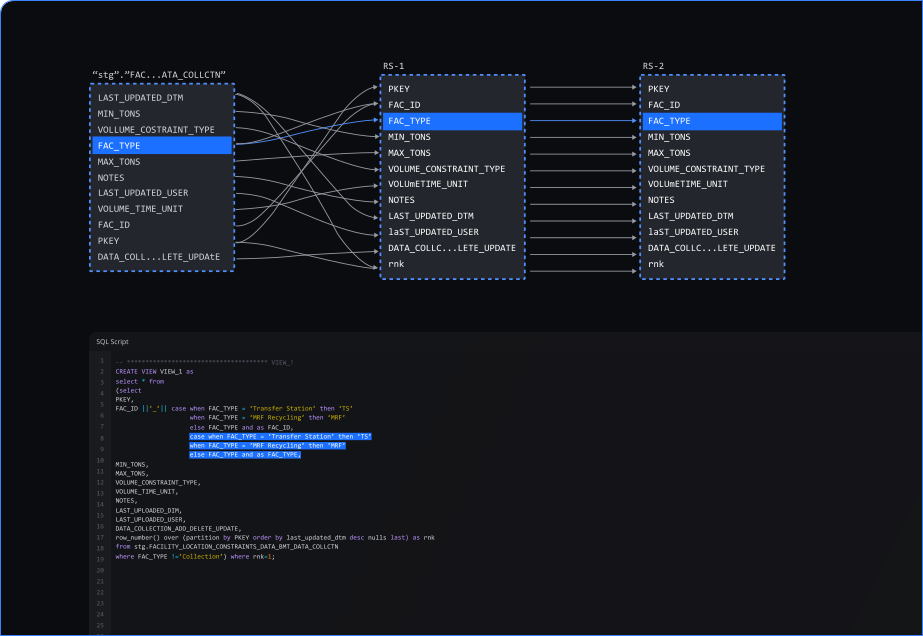
Trace data from source to output across tables, pipelines, and transformations down to the column level.
Dependency & impact analysis
Understand how changes affect downstream systems before deployment, so nothing breaks unexpectedly.

Govern
Data standards & modeling rules
Enforce consistent naming conventions, structures, and metadata across projects and teams.
Change review & approval workflows
Manage schema changes with approvals, comments, and audit trails—no production steps overlooked.

Collaborate
Git & DataOps integration
Connect models to Git repositories and CI/CD workflows and align design with how data is built and deployed.
Shared model workspace
Give engineers, analysts, and stakeholders a single place to view, understand, and contribute to data models.
Connect modeling work to the platforms, processes, and teams that shape your data environment.

Works across your entire data ecosystem
Integrate with the platforms your team already uses and help models stay aligned with how data is built and delivered.















Natively connect SqlDBM to web service apps and database providers through secure single sign-on protocols



Protecting your data is our priority
Verified Security & Compliance
SqlDBM is dedicated to keeping your data private, safe, and secure
Trusted ecosystem partners
Connect modeling work to the platforms, processes, and teams that shape your data environment.

Premiere Partner
In 2019, SqlDBM became the first online modeling tool to support Snowflake projects and has continued to add support for Snowflake’s latest objects, such as Views, Functions, and Procedures. The ability to natively modify, track, Reverse/Forward engineer Snowflake objects, and display them on a diagram is why over 300 Snowflake clients use SqlDBM.


Google Cloud Partner
SqlDBM lets you diagram your entire database without writing a single line of code. SqlDBM supports modeling and design for AlloyDB database. Native SQL integration through direct connect or file upload can reverse engineer database landscapes in seconds, so you can begin to design, communicate, and collaborate with your team.


Validated Data Partner
SqlDBM brings native modeling and design to the Databricks Lakehouse — reverse- and forward-engineer Unity Catalog objects, track changes, and collaborate on your data architecture without writing a line of code.
Join our Partner Program

SqlDBM partners with implementation partners, resellers, and technology providers to bring data modeling into modern data stacks. Partners earn margin on every deal they bring, plus technical training and sandbox access to build real expertise before the first customer conversation.